
“The film quickly gathers momentum… a tangled tale of impossibly possible dimensions, all heated emotion and blistering derring-do overhung with triumphant accounts of dazzling swordplay and dangerously feverish duels…”
Ian Ritchie, Opera Going Toronto
“...So many of us look to the past to find people we can look up to, to help us know we’re not alone. La Maupin does just that...”
Janine Marley, A View From the Box
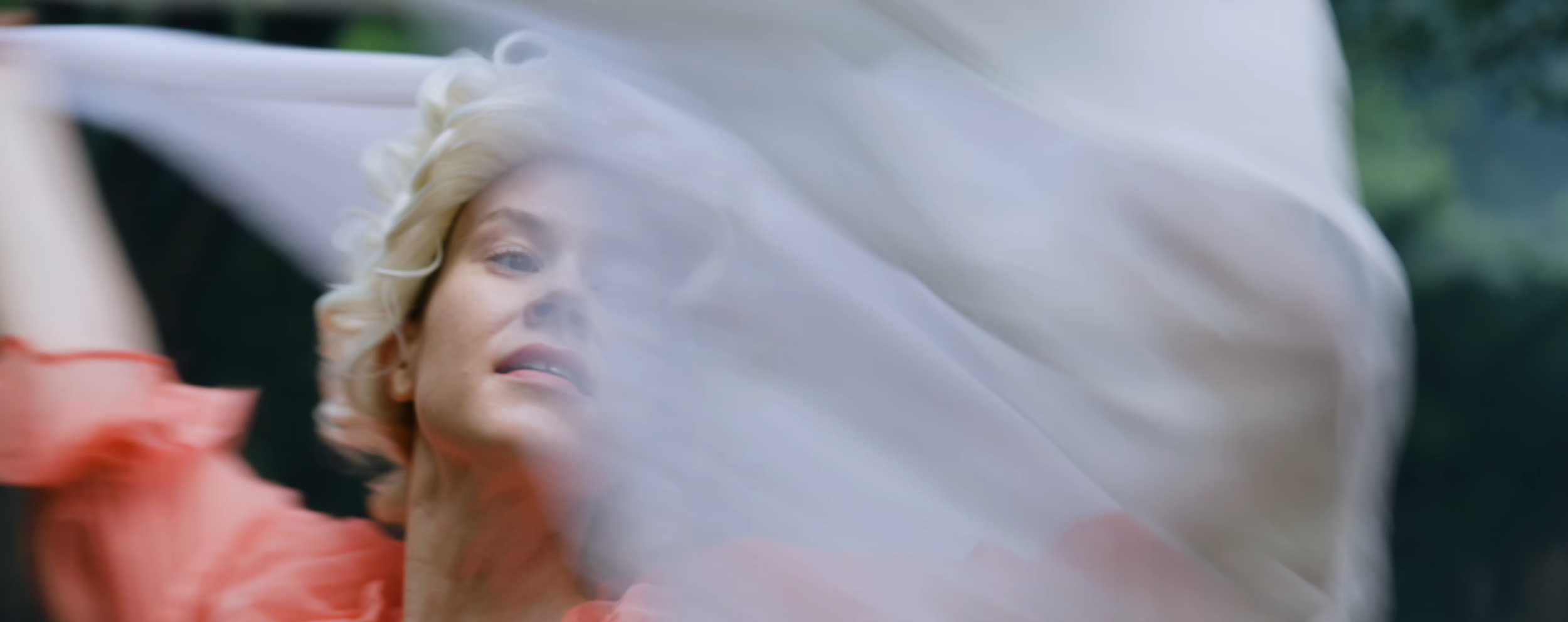
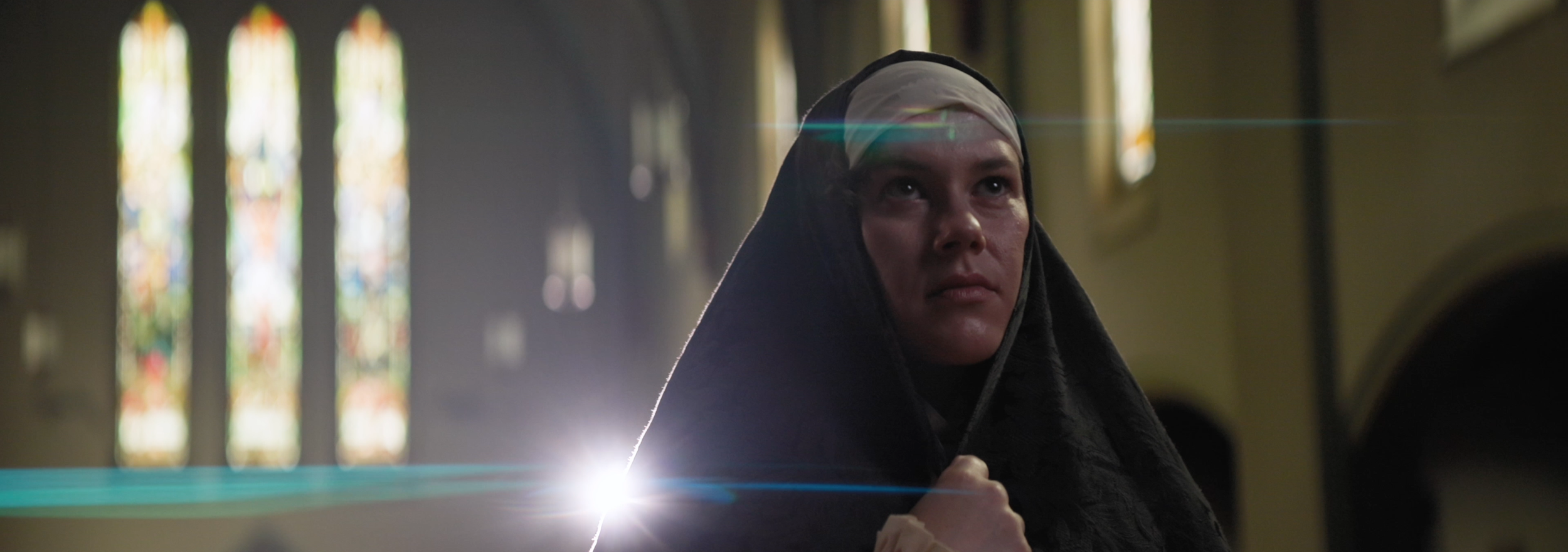
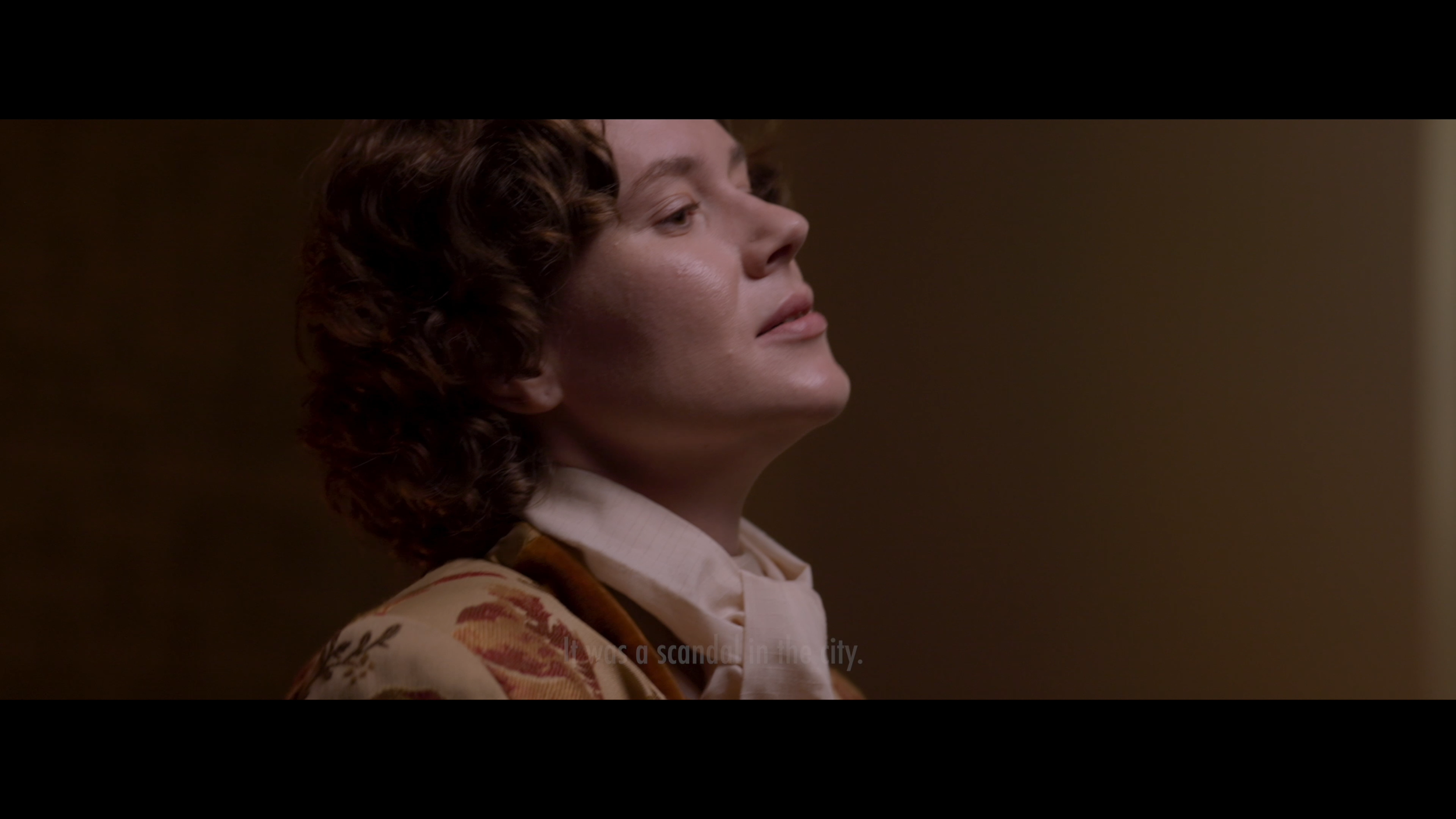
Video Description: A trailer for new queer musical film, La Maupin featuring whimsical footage from the film. Camille, the narrator says “It's unlikely that all these stories are true, but it's possible, and my heart clings to that possibility. Because if someone wrote it down, that means someone dreamed it up. In the end, I get to decide what I believe. The Maupin I know may not be real, but I still reach out to her across the centuries. I have to believe in her, so I can believe in myself.”
Creative Team

Composer: Colin McMahon
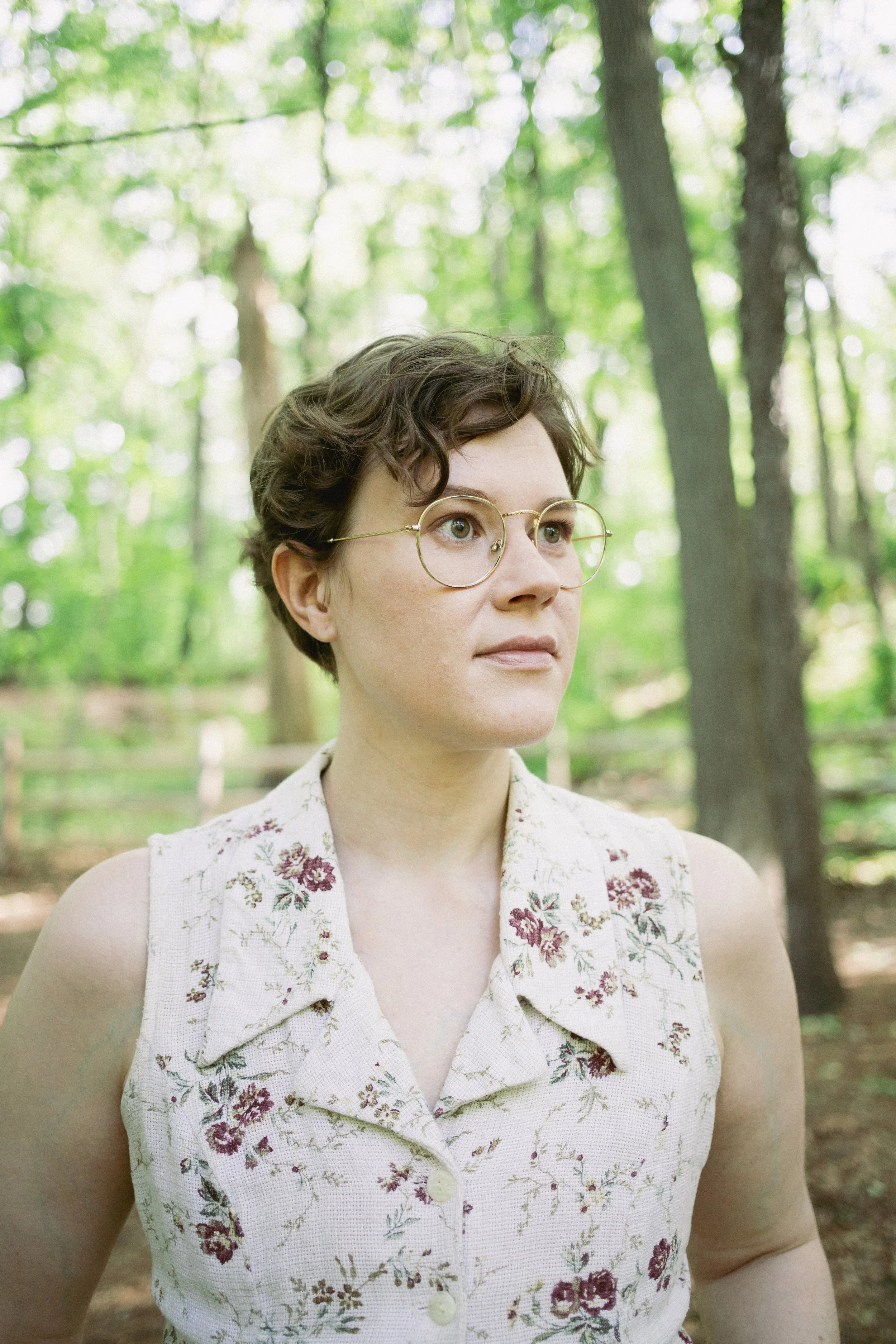
Librettist & Producer: Camille Rogers
with poetry from Aphra Behn
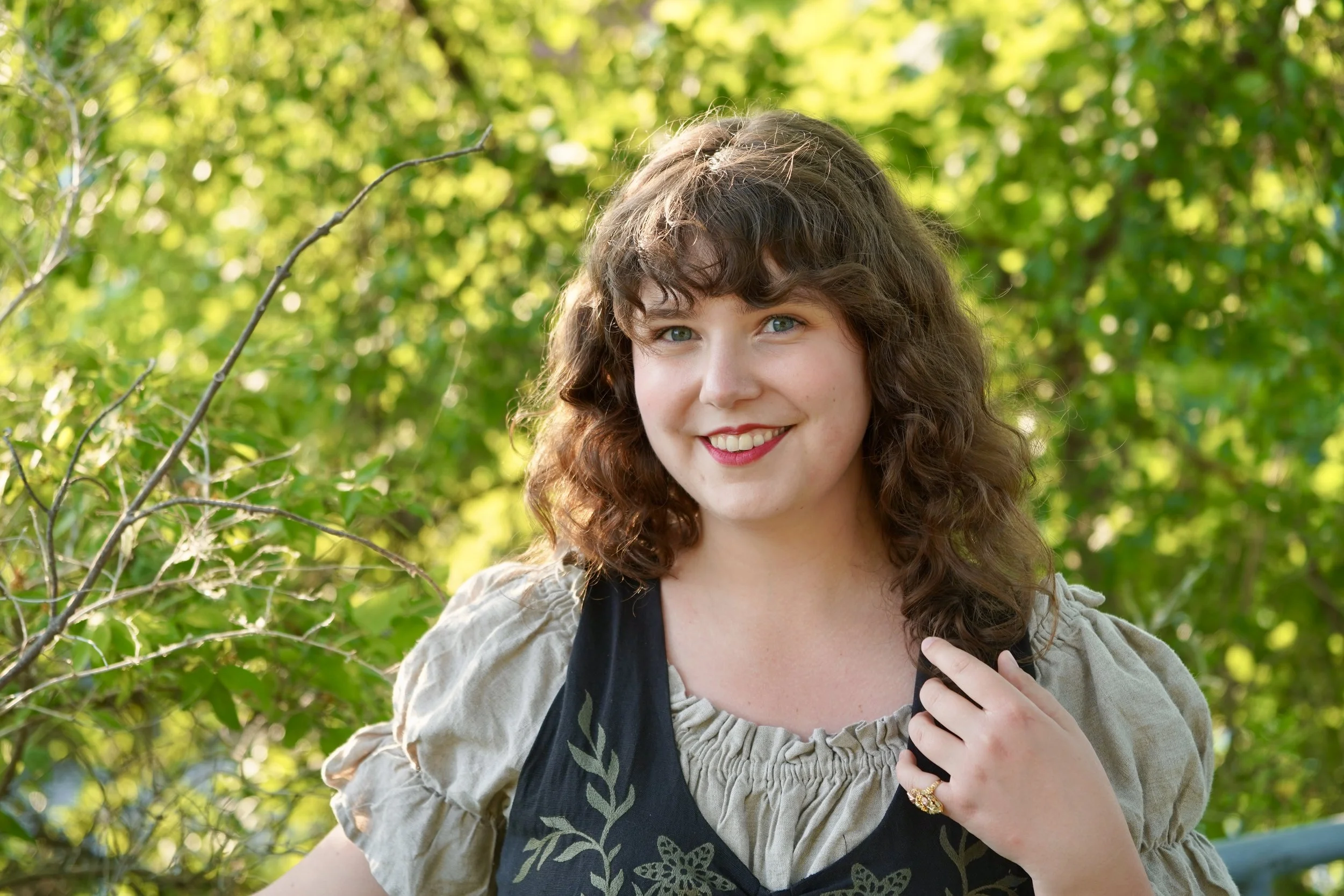
Director: Lauren Halász
Maupin: Camille Rogers
Violin 1: Hee-Soo Yoon
Violin 2: Noa Sarid
Viola: Lucy Gelber
Cello: Andrew Ascenzo
Piano: Zain Solinski
Music Recording and Mixing: Colin McMahon
Film Production Company: Coffeeshop Film & Creative
Director of Photography/Editor: Stephen Bell
Camera Operator: Eric Moniz
Choreographer: Jennifer Nichols
Production Manager: Maryam Remtulla
Camera Assistant: AJ White
Gaffer: Roham Abtahi
Key Grip: Aiden Grossman
Swings: Ben Abedi & Mehrad Haghighi
Sound: Albert Quan
PAs: Mahan Ashtar & Zoitsa Gotziaman
Assistants: Jessie-Ann Baines & Sky Cameron
ADDITIONAL CREDITS
Dramaturg: Kemi King
Animations: Weiwei Xu
Mannequin Head: Emily Neufeld and Mabel Wonnacott
Wig Stylist: Smokin’ Dolorés
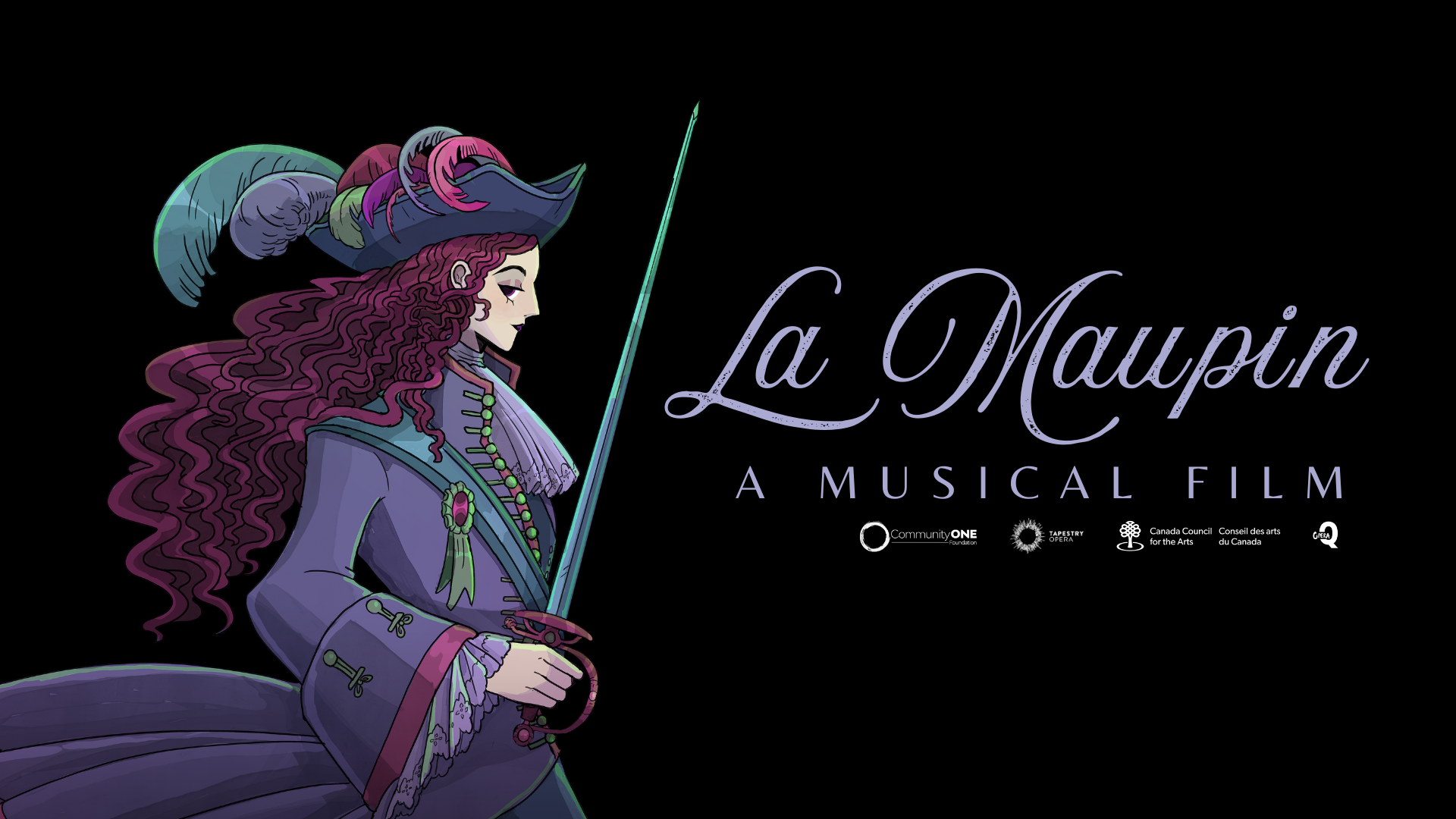
Poster Art: Faith Schaffer
La Maupin: A Musical Film
The not-so-tall tale of real-life queer opera singer and swashbuckler Julie d'Aubigny Maupin, retold by the legend herself. . .
Julie d'Aubigny, more often known by her stage name Mademoiselle Maupin, was a queer and gender-non-conforming opera singer who lived at the end of the 17th century into the beginning of the 18th century. She was a mezzo-soprano, sang at the Paris Opéra, was highly skilled in swordplay, and defeated many men in duels throughout her life. But besides the dates of her performances at the Opéra, there's very little else we know for sure about Maupin's life — although there are many sensational stories, which may or may not be 100% true. . .
Cover Art by Faith Schaffer
La Maupin is supported by OperaQ’s residency with Tapestry Opera at the Nancy & Ed Jackman Performing Arts Centre. We acknowledge the support of the Canada Council for the Arts and Community One Foundation.
Learn More
Was Maupin queer or trans?
Because the words we use today to describe gender and sexuality weren't in use in the 18th century, we don't know exactly how Maupin would have identified if she had lived today. We do know that she often wore men's clothing, but did not attempt to live or "pass" as a man. For that reason in our opera we use she/her pronouns to refer to her — although it's entirely possible that if she had lived today she might have used gender neutral pronouns such as they/them.
She was romantically involved with both men and women throughout her life, and actively sought out lovers of all genders. Today we would probably describe her as "bisexual," but that label didn't exist when she was alive. We generally use the umbrella term "queer" as a shorthand to describe her sexuality, but that's not really historically accurate either. (One of the many challenges of talking about queer history!)
Where does the text of the film come from?
Most of the text of the film is based on translations of biographies written about Maupin in the 19th and early 20th centuries. We wanted to show how historians talked about her and projected all sorts of moral panic onto her life story. Because we don't have any primary documents written by Maupin herself, we also wanted to give Maupin a chance to comment on other peoples' gossip and opinions about her — and that's where the music comes in. Composer Colin McMahon worked to include a lot of tongue-in-cheek moments where Maupin playfully relates her story as it has been told by others — while giving us a little musical wink to let us know that might not be exactly how it happened.
The Epilogue and Prologue as well as a few aria-like sections in the middle movements draw from the poetry of Aphra Behn, a poet who lived in England in the 17th century. She may also have been involved romantically with women, and many of her poems and plays include sapphic themes. We included her poetry to give a sense of the historical context of the 17th century, specifically around how people talked about and viewed gender and sexuality at that time.
What did Maupin sing?
Maupin sang over 25 roles during her 15-year career at the Paris Opéra, many of which reflected her offstage romantic escapades and her skill with a sword. She was unique among singers at the Opéra, playing multiple different kinds of roles (tragic, villainous, and comic) when most performers were typecast into just one.
"Enfin, il est en ma puissance" from Armide (Jean-Baptise Lully, 1686)
Maupin sang this role in a revival in 1703, filling in for the soprano Mlle Desmatins, who fell ill. Legend has it that Maupin sang the role transposed down a tone to better suit her voice, which was condemned by critics as disrespectful to the memory of the composer Lully.
Camille Rogers, mezzo & Louise Hung, harpsichord
Video by Ryan Harper
"Mon cœur brûle" from La Vénitienne (Michel de La Barre, 1705)
Isabelle was the last role written for Maupin, and her last appearance on the stage. While not a true trouser role (a woman playing a male character), Isabelle disguises herself as a man in this scene in order to thwart the plans of her unfaithful lover Octave.
Camille Rogers, mezzo & Louise Hung, harpsichord
Video by Ryan Harper
"Estes-vous satisfaits" from Tancrède (André Campra, 1702)
The role of the warrior princess Clorinde was written specifically for Maupin, and was one of her most successful and celebrated roles.
Camille Rogers, mezzo & Louise Hung, harpsichord
Video by Ryan Harper
"Lietto brilla il cor" from Le Carnaval et La Folie (André Cardinal Destouches, 1703)
In this opera Maupin played the character Folie, the embodiment of Folly and a clear reference to the coquette archetype.
Camille Rogers, mezzo & Louise Hung, harpsichord
Video by Ryan Harper